


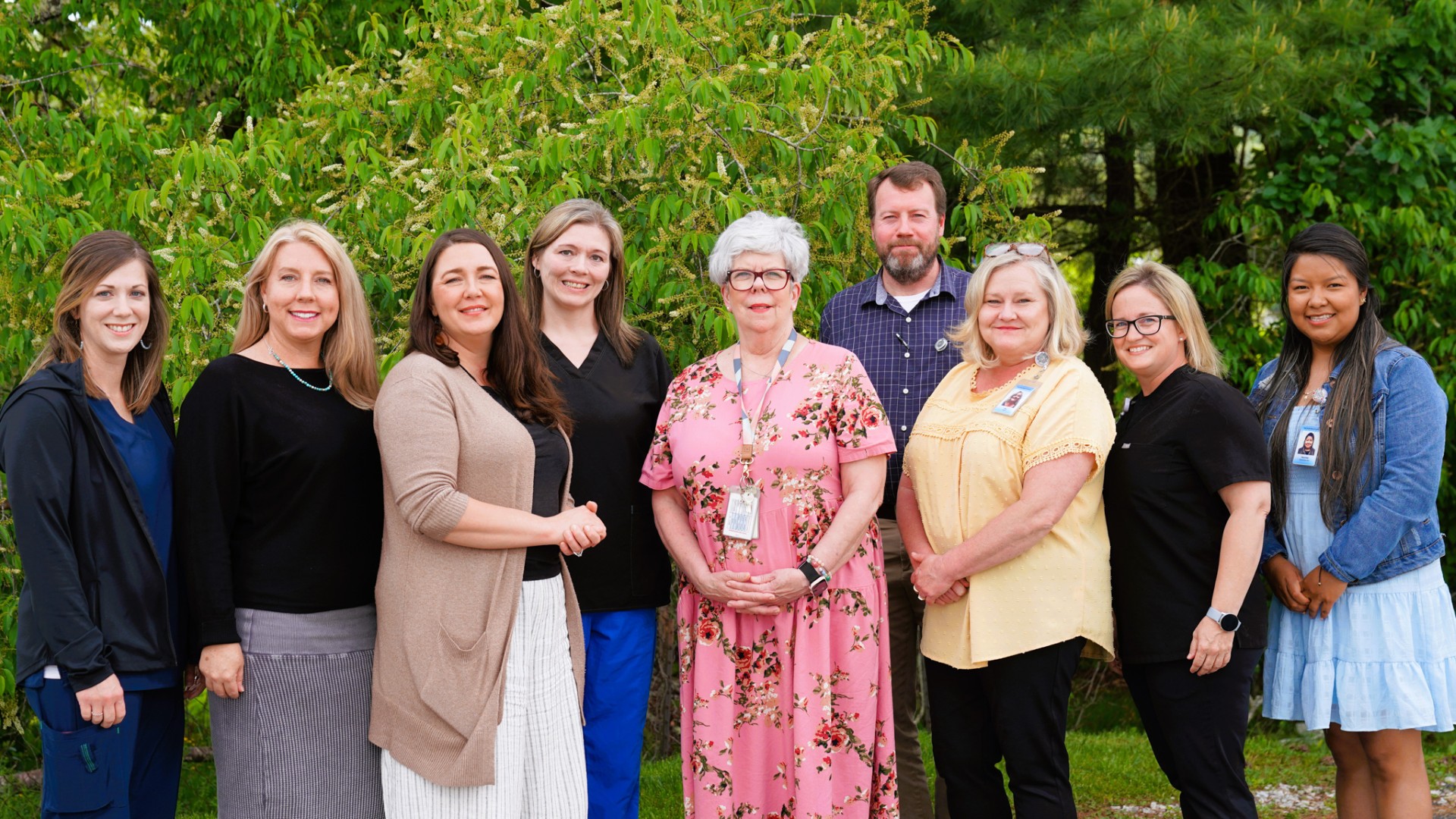
When Hurricane Helene swept through Western North Carolina, the destruction was swift and unforgiving. Power outages, damage to homes, water contamination concerns, and overwhelmed community resources collided all at once. And just as they always do, local health departments became a quiet backbone of the community response.
For Toe River District Health Department, serving both Avery and Mitchell counties, the storm intensified an already difficult funding landscape. But this year, a critical boost arrived at the right time: Toe River was awarded $24,640 through NCTNA’s Carolina Connection Grant, a member support program created that aims to light the path toward access to care for all by providing essential funds for projects aligned with NCTNA’s mission. These projects range from connectivity, to technology updates, cyber security, and more.
This is the story of how the NCTNA Carolina Connection Grant made a meaningful difference for one of North Carolina’s most rural public health departments—and why investments in broadband and IT matter for community health more than ever.
A Public Health Department Stretched Thin…Even Before Helene
Toe River Health Department plays an expansive role in its communities: environmental health inspections, WIC services, immunizations, disease surveillance, maternal and child health, clinic services for uninsured residents, and emergency response during natural disasters. Yet they do all this with only 35 employees and a small, unpredictable budget.
As Health Director Mason Gardner shared:
“It’s not the best funding environment for a local health department… We’re asked to do a lot with very little.”
Before Helene even hit Western NC, both Avery and Mitchell counties anticipated they would need to cut their allocations to the health department. Toe River was already operating with a structural shortfall (about $200,000 in unmet need) even in a good year. Then came a significant TB investigation, Medicaid reductions, and the rising costs of technology and cybersecurity.
Public health departments across the state face these challenges, but they are amplified in rural communities where:
- Nearly half of clinic patients are uninsured (43% of patients in Mitchell, and 45% of patients in Avery are uninsured)
- Many residents have limited or no access to other healthcare providers
- Staff must be generalists, covering multiple roles
- Broadband outages and cybersecurity attacks hit harder and take longer to recover from
Toe River takes care of whoever walks through the door—including the most vulnerable. As Mason put it:
“We’re the provider of last resort. Most of the people we see are uninsured or on a sliding scale—and many slide…completely off.”
When Helene Hit, IT Strain Intensified
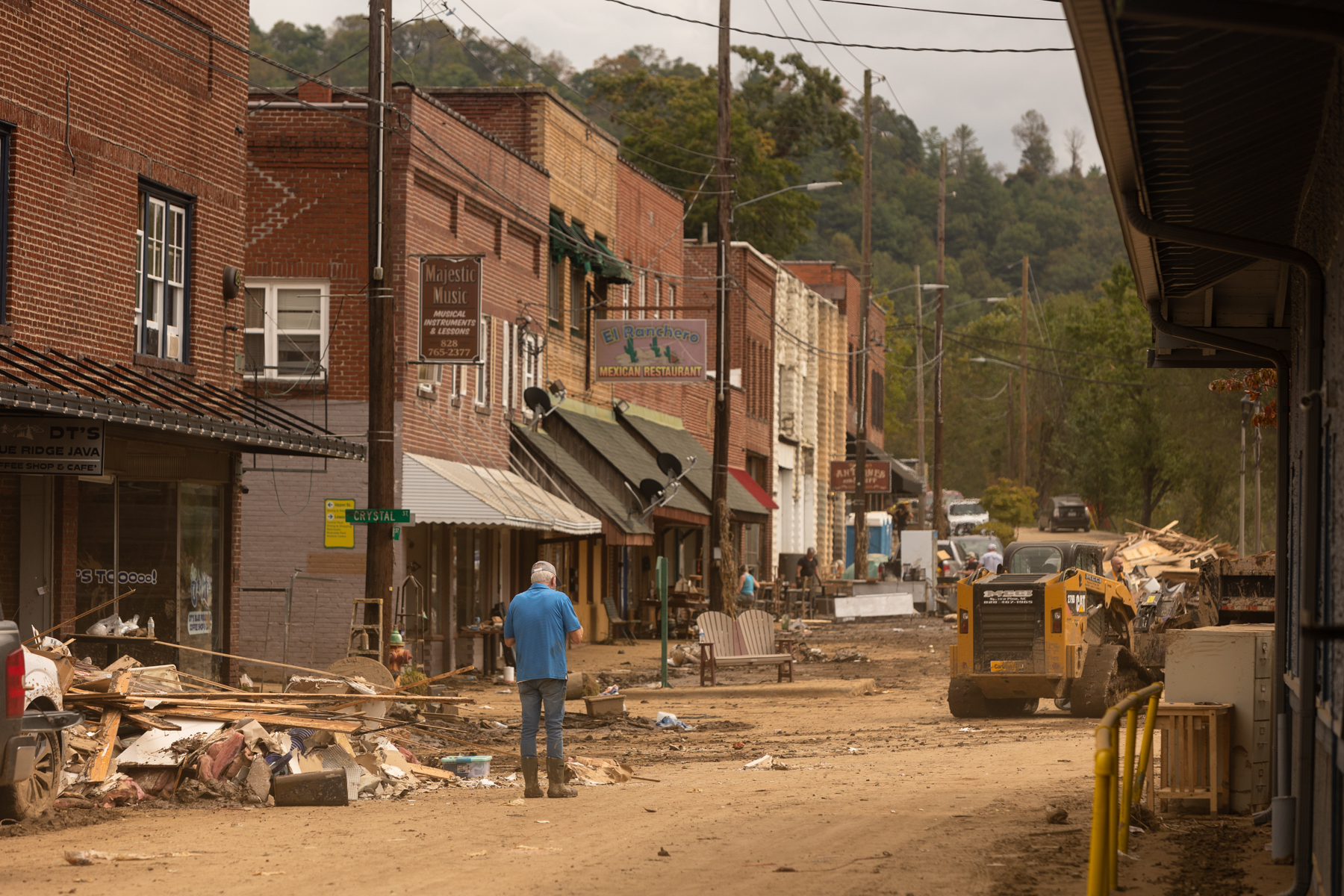
During Hurricane Helene, both county health departments lost power, and environmental and clinical teams were pushed into emergency response mode. As an example, Toe River District Health alone waived $60,000 of free well water and septic tests/applications for anyone impacted by the storm. They will likely never see those dollars returned.
“It was just the right thing to do.” -Mason Gardner
But the financial aftermath of the storm may have been just as difficult. Cuts to county budgets, combined with increased operational needs, meant Toe River was facing tough decisions about what to prioritize. And in today’s healthcare environment, technology is no longer optional—it’s foundational.
Toe River’s staff depend on connectivity and technology to:
- Access immunization registries
- File food & septic inspections
- Run clinic EMRs
- Provide WIC and maternal health services
- Respond to communicable disease investigations
- Coordinate emergency response activities
- Maintain backups and cybersecurity protections
- Scan record systems for historical public health data
- Firewalls, backups, and cybersecurity layers to protect patient information
The Health Department relies on a third-party IT provider that supports their systems because Toe River cannot afford an in-house IT full time employee or team.
The real risk, Mason emphasized, is simple:
“If IT funding is cut, we could face downtime, cybersecurity vulnerabilities, and a total loss of operational efficiency.”
In small counties already navigating the aftermath of a natural disaster and long-term poverty, these risks compound quickly.
How NCTNA’s Carolina Connection Grant Made a Measurable Difference
The $24,640 grant Toe River received from NCTNA went directly—every single dollar—to their IT expenses.
“We paid for our IT services this year with that grant money. Every bit of it.” — Mason Gardner
Here’s How NCTNA’s Grant Helped:
1. It kept the doors open and the systems running
Without this funding, Toe River would have struggled to cover even its essential IT services.
2. It enabled cybersecurity improvements
Toe River was able to upgrade systems for network security in Mitchell County and is now planning additional improvements in Avery.
3. It protected patient care
Continued connectivity means clinic services, payment processing, and environmental health inspections can continue without interruption.
4. It created desperately needed “breathing room”
After a sudden $10,000 Medicaid cut, the grant helped offset unexpected revenue loss.
“[The grant] gave us a bit of breathing room. Instead of constantly figuring out where we’re getting funding for our services, I can take just a moment to think about what we could do better. We are totally dependent on [IT and connectivity]… It helps us be efficient. It helps us remain competitive. And with 35 employees, everyone is already doing more than just ‘their job’.” — Mason Gardner
This is exactly why NCTNA established the Member’s Carolina Connection Grant: to give non-profit and public healthcare providers the stability they need to stay resilient. Broadband isn’t just an IT issue or a nice to have, it’s a public health lifeline, especially in rural counties where health departments serve as both the medical safety net and the emergency response infrastructure.
A Health Department Rooted in Community—and Built by It
Mason’s leadership is grounded in lived experience. He grew up receiving his own care at the health department before eventually working in environmental health, stepping into an interim director role, and ultimately becoming the health director.
His story mirrors the story of the department he now leads: humble, resilient, mission-driven, and deeply connected to the people it serves.
Looking Ahead: Strengthening Rural Providers Through Connection
As NCTNA continues expanding membership, the Carolina Connection Grant program will grow right along with it. Toe River’s experience is a powerful example of how modest, strategic investments can meaningfully strengthen a rural community’s health infrastructure.
When broadband is stable, cybersecurity is supported, and IT systems are funded:
- Clinics operate more smoothly
- Patients stay connected to care
- Emergency response is faster
- Staff can focus on serving instead of scrambling
- Rural communities stay healthier and more prepared
For Toe River, the grant award wasn’t just a budget line, it was operational stability during a critical moment.
“It helped us keep our core functions going. And that’s important.” — Mason Gardner
Want to Learn More?
NCTNA is proud to support providers like Toe River Health Department, who serve as frontline public health leaders in some of the most rural and high-need counties in the state.
Read more about the Carolina Connection Grant and how NCTNA supports healthcare providers across North Carolina: 👉 https://nctna.org/grant/